Mary Holding Baby Jesus Redwork: A Pro Review
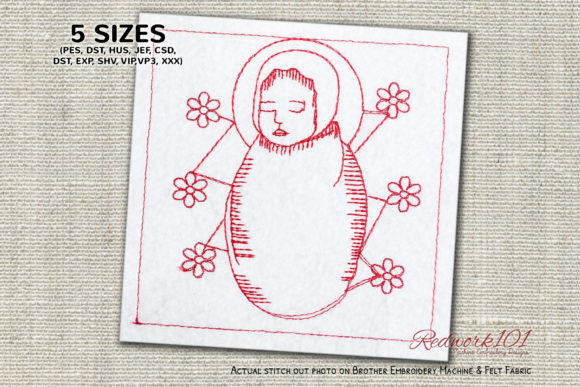
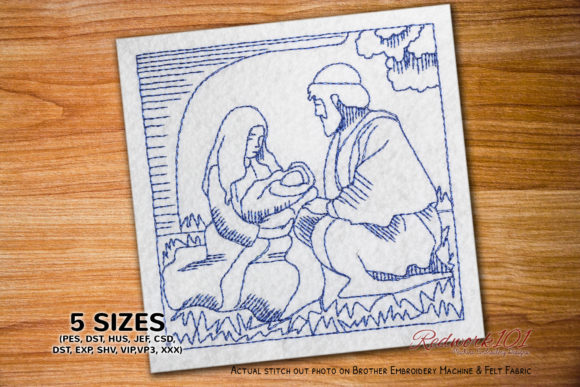
As an embroidery designer who spends countless hours digitizing and testing files for commercial use, I approach every new machine embroidery design with a critical eye. It is not just about whether the image looks pretty on a screen; it is about how that digital embroidery file translates into a tangible finished product that enhances a brand. Today, I am reviewing the Mary Holding Baby Jesus Redwork design, specifically evaluating its potential for small business merchandise, branded patches, and holiday-themed apparel.
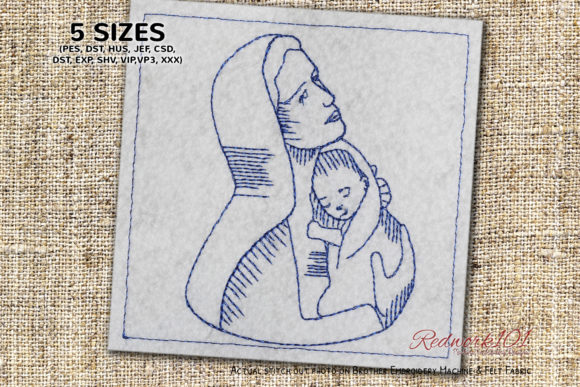
Upon first inspection, the title and description suggest a classic, timeless aesthetic. The term "Redwork" immediately signals a specific visual personality: rustic, handmade, and deeply traditional. Unlike complex, multi-color satin stitch designs that scream modern corporate branding, this piece feels intimate and warm. For a small business owner running a boutique, a bakery, a florist, or a creative studio, this vibe is invaluable. It communicates heritage, care, and a personal touch. In the context of Christmas and seasonal Embroidery, this design offers a subtle nod to tradition without being overly flashy, making it perfect for brands that want to convey sincerity rather than high-gloss commercialism.
Real-World Application for Small Business Merch
The true test of any embroidery file is its versatility in real-world scenarios. Where does Mary Holding Baby Jesus Redwork shine? Based on the redwork style, which typically utilizes a single thread color for outlining and detailing, this design is exceptionally versatile for small business merch. Because it lacks heavy fill stitches, it remains flexible and soft, a crucial factor for wearable items.
Consider a local café or a family-owned bakery looking to upgrade their staff uniforms during the holiday season. Applying this design as an apron embroidery accent creates an immediate connection with customers. It suggests that the business values tradition and family, aligning perfectly with the spirit of the season. Similarly, for a boutique selling handmade goods, adding this motif to a tote bag as a tote bag design element elevates the item from a simple carrier to a keepsake. The simplicity of the line work ensures that the fabric texture remains visible, preserving the organic feel of canvas or linen bags.
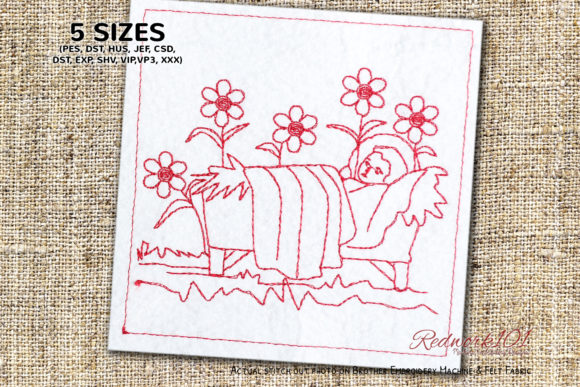
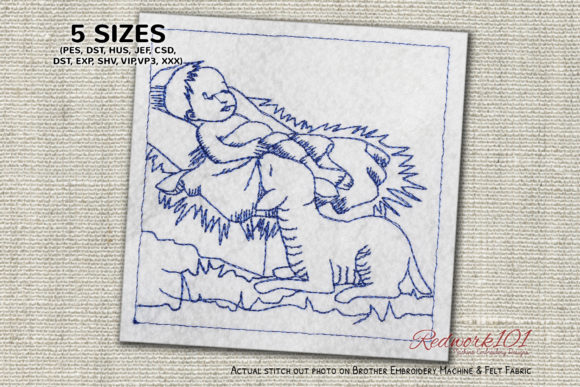
For those creating custom apparel or limited edition runs, this design works beautifully as a chest logo accent or a sleeve detail on work shirts. It is understated enough not to overwhelm the garment but distinct enough to serve as a recognizable brand mark. Furthermore, the description notes that "The Box Stitch shown in picture is optional." This is a significant advantage for professional use. It allows the embroiderer to customize the framing based on the specific application. If you are creating an embroided patch, keeping the box might provide a necessary border for sealing edges. However, if stitching directly onto a dark uniform or a textured cap, skipping the box allows the design to breathe and integrate more naturally with the garment's existing lines.
Technical Considerations and Production Challenges
While the aesthetic appeal is strong, a professional review must address the technical realities of production. Redwork designs rely heavily on the quality of the outline. When scaling Mary Holding Baby Jesus Redwork down for small applications, such as a cap embroidery front or a tiny product label, one must be cautious. Fine lines can disappear or break up if the stitch density is too low or if the fabric is too coarse. Before committing to a large production run, it is imperative to test the design at the intended size.
The description mentions that "The color of outer Box is different color in most of the designs unless it is part of the design itself, you can skip the color dir." This instruction requires careful attention during the digitizing or editing phase. If you are using this for a commercial embroidery project, you must verify the stop points in your machine software. Ignoring this could lead to unintended color changes or extra trim times, which eats into profit margins on high-volume orders. Additionally, because redwork often uses a single color, contrast is king. On dark uniforms, ensure you are using a high-contrast thread color, or consider using a metallic gold or silver thread to give the traditional redwork a premium, festive twist suitable for holiday collections.
Curved surfaces present another challenge. If applying this to a structured cap or a rounded tote bag, the distortion of the fabric under the needle can cause registration issues in tight areas of the design. Using the correct stabilizer is non-negotiable here. A cut-away stabilizer is often recommended for items that will undergo frequent washing, ensuring the design does not pucker over time. Always confirm the required hoop size before purchasing; while redwork is generally compact, the optional box stitch might push the dimensions beyond a standard 4x4 hoop, necessitating a larger frame.
Impact on Brand Identity and Customer Trust
In the crowded marketplace of Etsy sellers and craft businesses, visual consistency is key to building brand identity. Incorporating a design like Mary Holding Baby Jesus Redwork can significantly enhance customer trust. It signals that the brand pays attention to detail and respects traditional craftsmanship. When a customer receives a product with a neatly executed, thoughtful embroidered detail, the perceived value of the handmade product increases instantly.
This design serves as more than just decoration; it is a storytelling asset. For a pet brand or a local shop, using this imagery on holiday gift sets or employee gifts fosters a sense of community and warmth. It moves the interaction from a simple transaction to an emotional connection. However, to maintain professionalism, the execution must be flawless. Sloppy stitching or poor thread tension on such a symbolic image can have the opposite effect, damaging the brand's reputation. Therefore, creating a printable mockup for client approval and comparing it beside other design assets is a vital step in the workflow.
Professional Designer Notes for Implementation
To ensure the best results when using Mary Holding Baby Jesus Redwork for your business, keep these practical tips in mind:
- Test in Black and White First: Before selecting your festive red thread, stitch a sample in black on white fabric. This reveals any gaps in the stitching or areas where the design might be too delicate.
- Check Small Patch Viability: If you intend to make this into an iron-on or sew-on patch, verify that the details hold up at smaller dimensions without merging together.
- Review Thread Contrast: Ensure your chosen thread color stands out clearly against the base fabric, especially for items like dark aprons or navy caps.
- Inspect Spacing: Look closely at the spacing between the lines of Mary and the baby. Tight spacing can cause bird-nesting; you may need to adjust pull compensation.
- Confirm Hoop Size: Double-check the dimensions including the optional box to ensure it fits your available hoops without re-hooping.
- Test on Real Fabric: Never judge a design solely on a digital screen. Stitch it on the actual material you plan to sell, whether it is denim, canvas, or twill.
- Use Proper Stabilizer: Match your stabilizer to the fabric weight and the end-use of the product to prevent puckering after washing.
- Create a Mockup: Present a realistic mockup to your clients or use it for marketing materials to set accurate expectations.
- Compare Design Assets: Ensure this design complements your existing logo and other seasonal graphics for a cohesive look.
- Verify Licensing: Most importantly, confirm the commercial licensing terms before using this for saleable goods. The description implies customization options, but usage rights must be clear.
In conclusion, Mary Holding Baby Jesus Redwork is a potent tool for small businesses looking to add a layer of warmth and tradition to their holiday offerings. While it requires careful technical handling regarding sizing and stabilization, its ability to convey a handmade, premium feel makes it a standout choice for patches, apparel, and branded accessories. By respecting the nuances of the redwork style and adhering to professional production standards, embroiderers can leverage this design to create memorable, high-value products that resonate with customers long after the season ends.