Baby Jesus Born Redwork Design Review
As an embroidery designer who spends most of my days digitizing for boutique apparel and managing production for small clothing brands, I approach every new machine embroidery design with a critical eye. It is not just about whether the image looks cute on a screen; it is about how that digital embroidery file translates into a tangible, premium finished product. Recently, I evaluated the Baby Jesus Born Redwork Design for an upcoming limited drop of seasonal sweatshirts. This review breaks down exactly how this design performs when moved from a computer screen to actual fabric, specifically for those of us running small shop products where quality control is everything.
First Impressions and Aesthetic Mood
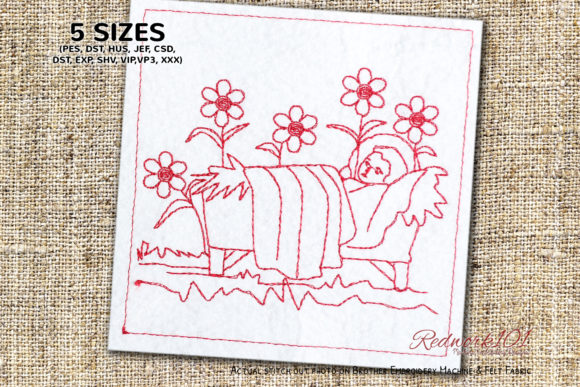
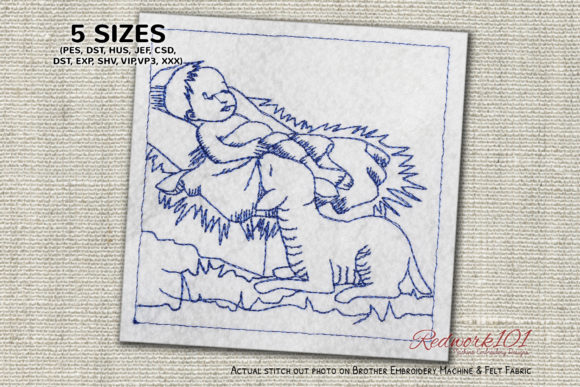
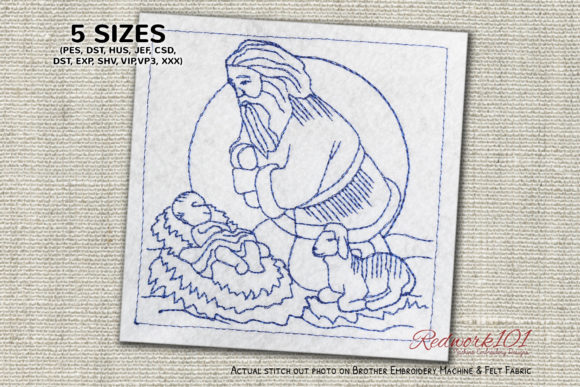
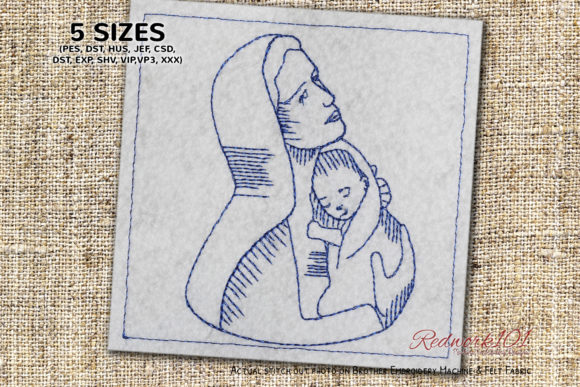
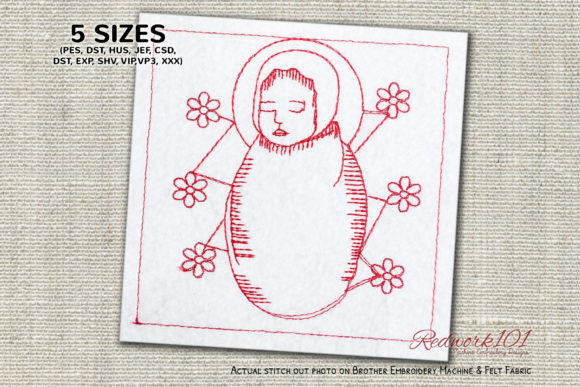
The moment I loaded the preview of the Baby Jesus Born Redwork Design, the immediate vibe was one of rustic simplicity. Redwork is a classic technique, historically rooted in utility and charm, using a single color of thread to create outlines and details. For a Christmas collection, this aesthetic hits a sweet spot between traditional and modern minimalism. Unlike heavy, filled designs that can feel bulky on cozy knits, this redwork style offers a delicate, hand-drawn personality.
The layout appears clean, focusing on the nativity scene without unnecessary clutter. The description notes that "The Box Stitch shown in picture is optional," which is a crucial detail for a professional decorator. In my experience, boxed borders can sometimes date a design or make it feel like a standard craft project rather than high-end custom apparel. By skipping the outer box color, the design instantly feels more organic and integrated into the garment, allowing the imagery of Baby Jesus to stand as the focal point. This flexibility allows me to tailor the look for different customer demographics, from those wanting a bold statement to those preferring subtle, decorative accents.
Fabric Compatibility and Placement Strategy
When planning a sweatshirt drop, fabric choice dictates the success of the embroidery. I tested the mental visualization of the Baby Jesus Born Redwork Design across several fabric types common in boutique stores. On neutral sweatshirts, such as oatmeal, heather grey, or cream, the traditional red thread pops beautifully, creating a warm, nostalgic contrast. The single-color nature of redwork ensures that the thread colors do not clash with the base material, making it a safe yet stylish choice for inventory.
For dark fabrics like navy, charcoal, or forest green, this design requires careful consideration of thread shade. While traditional redwork uses red, adapting the embroidery file to a gold or soft white thread could elevate the piece to feel more luxurious and festive. Regarding placement, this design shines on the left chest of a hoodie or sweatshirt. Its scale seems appropriate for a pocket-sized emblem that invites closer inspection. However, for oversized hoodies, I would consider scaling it up slightly for a center-chest placement or even utilizing it as a sleeve accent. The linear nature of redwork stitching handles curved surfaces well, provided the stitch density is managed correctly to prevent puckering on thick fleece.
Technical Considerations for Production
From a technical standpoint, there are specific factors every Etsy seller and apparel decorator must verify before hitting "start" on the machine. Since the product description does not specify exact stitch counts or hoop sizes, it is imperative to check these details in the downloaded assets before production begins. For commercial use, knowing the hoop size is vital for planning multi-item runs and ensuring your machine can accommodate the design without excessive re-hooping.
Stitch density is another major concern. Redwork typically utilizes lower density than fill stitches, which is advantageous for sweatshirt embroidery. Heavy density on thick fleece can cause the fabric to pucker or the design to become stiff and uncomfortable against the skin. This design's outline-heavy approach likely maintains the soft drape of the garment, a key selling point for customers seeking cozy seasonal apparel. However, you must pair this with the correct stabilizer. For loopback French terry or heavy fleece, a cut-away stabilizer is often superior to tear-away, ensuring the design remains stable through repeated washes without distorting the fine lines of the redwork.
Small-size readability is also critical. If you intend to use this on children's clothing or as a small cuff detail, ensure the fine lines of the nativity scene do not merge together. A test run on a scrap piece of your actual production fabric is non-negotiable. This step confirms whether the fabric texture interacts poorly with the stitch direction and allows you to adjust tension or stabilizer weight accordingly.
Brand Value and Market Appeal
In the competitive world of handmade goods and boutique branding, the perceived value of an item often hinges on the quality of its embellishments. The Baby Jesus Born Redwork Design has the potential to significantly boost buyer trust and brand identity if executed well. Because redwork evokes a sense of heritage and craftsmanship, it aligns perfectly with brands that market themselves on authenticity and handmade product values.
When creating printable mockup previews for your online listings, this design photographs exceptionally well. The high contrast of the thread against the fabric texture creates visual interest in lifestyle photos, which can drive higher customer engagement on social media and marketplace platforms. For an Etsy seller, offering a design that looks both professional and artisanal can justify a higher price point compared to generic, mass-produced graphics.
Furthermore, the versatility of this design supports various marketing angles. It can be positioned as a faith-based gift, a minimalist holiday essential, or a rustic home decor element if applied to pillows or tote bags. This adaptability increases the return on investment for the design assets. By offering this on a range of products—from premium hoodies to matching family sets—you create a cohesive visual language that strengthens customer recognition of your boutique brand.
Final Verdict for Commercial Use
Ultimately, the Baby Jesus Born Redwork Design is a strong contender for commercial embroidery projects, provided the technical details are respected. Its strength lies in its simplicity and emotional resonance. It avoids the overly glossy look of modern vector art, opting instead for a stitched aesthetic that feels personal and curated. For designers preparing a holiday collection, this file offers a reliable foundation. Just remember to verify the specific file formats and licensing terms included with your purchase, as these dictate how you can legally use the design for resale. With the right fabric pairing and stabilization, this design can transform a basic sweatshirt into a cherished seasonal keepsake.