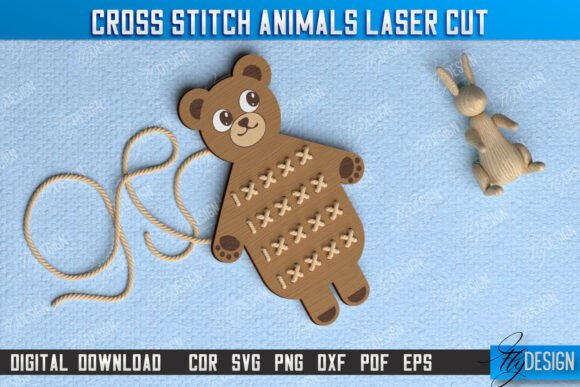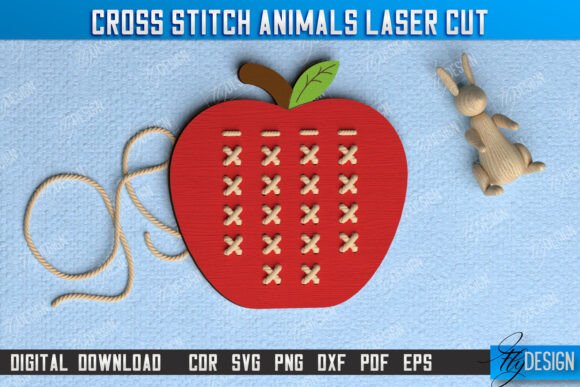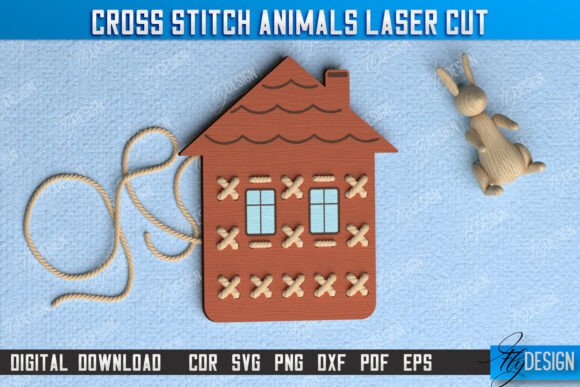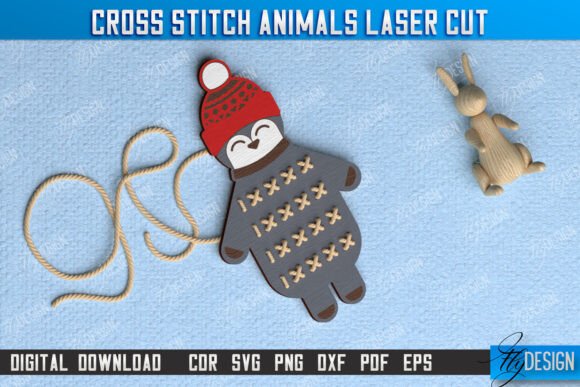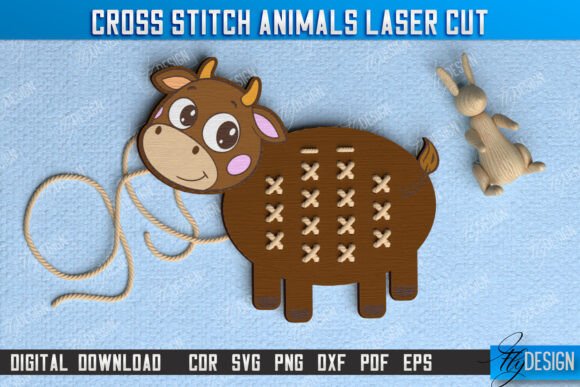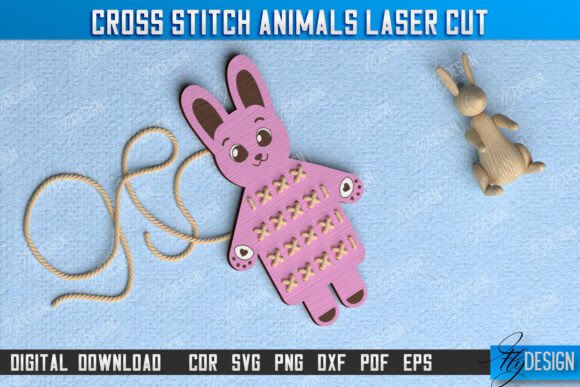
Cross Stitch Hare Montessori Lacing Design Review
As an embroidery designer who spends most of my day digitizing logos and refining stitch paths for commercial clients, I approach every new digital embroidery file with a critical eye. It is not enough for a design to look cute on a screen; it must perform under the needle, withstand industrial washing, and elevate a brand's identity. Recently, I evaluated the Cross Stitch Hare Montessori Lacing design for potential use in small business merchandise. While the product metadata categorizes it under Other Toys Games and highlights its utility as a Laser Cutting file for CNC machines, my focus was strictly on its viability for textile applications like patches, uniforms, and branded apparel.
First Impressions: A Blend of Rustic Charm and Educational Warmth
The immediate visual impact of the Cross Stitch Hare Montessori Lacing is one of approachable warmth. The aesthetic leans heavily into the "handmade product" vibe that is currently dominating the boutique and Etsy markets. Unlike sleek, modern vector logos that scream corporate efficiency, this design whispers community, care, and creativity. For a small business owner running a bakery, a florist, a pet brand, or a creative studio, this personality is gold. It feels rustic yet playful, making it an excellent candidate for businesses that want to project a friendly, family-oriented image.
However, from a technical standpoint, the "cross stitch" simulation presents specific challenges. In the world of commercial embroidery, mimicking hand-stitched textures requires careful management of stitch density. If the digital file is not optimized, the overlapping stitches can create a bulky, uneven surface that fails to lay flat on curved surfaces like cap fronts or soft fabrics like toddler t-shirts.
Real-World Business Applications
When considering where to deploy this design, the possibilities for small business merch are extensive. Here is how I see the Cross Stitch Hare Montessori Lacing performing in various real-case scenarios:
- Embroidered Patches: This is arguably the strongest use case. Creating a woven or merrow-edge embroidered patch with this hare design allows businesses to add a tactile element to packaging or sell it as a standalone accessory. The rustic look pairs beautifully with canvas tote bags or denim jackets.
- Staff Uniforms and Aprons: For a café or boutique, placing this design on an apron embroidery pocket adds a touch of whimsy without sacrificing professionalism. It humanizes the staff and reinforces the brand's commitment to a gentle, customer-focused experience.
- Cap Embroidery: While possible, this requires caution. The detailed nature of a cross-stitch pattern might get lost or distort on the structured front panel of a baseball cap unless the design size is sufficiently large.
- Tote Bag Design: The natural, educational theme fits perfectly with eco-friendly tote bags used for grocery runs or book fairs. The texture of the bag complements the simulated stitch look of the hare.
- Product Packaging Accents: Beyond clothing, this design could be laser-cut (as suggested by the original product description regarding RED cut lines and BLACK engrave lines) into wooden tags or cardboard inserts, then paired with embroidered items for a cohesive unboxing experience.
Technical Considerations and Potential Pitfalls
Before rushing to production, there are several technical hurdles to clear. The original product description notes that this is a "Developing Game Educational Toy CNC File," which implies the lines are intended for cutting wood or acrylic, not necessarily stitching thread onto fabric. If you are adapting this for embroidery, you must verify the embroidery file format and structure.
Here are the critical areas where the Cross Stitch Hare Montessori Lacing demands careful attention:
- Stitch Density and Bulk: Cross-stitch simulations often involve high stitch counts to mimic the 'X' pattern. On thick fabrics like twill, this is manageable. However, on lightweight performance polos or delicate silks, this density can cause puckering. Always test on a scrap piece of your actual fabric first.
- Small Patch Sizes: If you intend to shrink this design for a sleeve detail or a small label, the individual "stitches" in the design may merge into a solid blob, losing the charming texture. Ensure the design retains clarity at your intended minimum size.
- Thread Color Contrast: The success of this design relies on the contrast between the "thread" colors and the background fabric. On dark uniforms, you will need a robust underlay and potentially lighter thread colors to ensure the hare remains visible and does not get swallowed by the garment color.
- Fabric Texture: Textured fabrics like fleece or terrycloth can interfere with the crispness of the cross-stitch effect. A heavy-duty stabilizer is non-negotiable here to prevent the design from sinking into the pile of the fabric.
Impact on Brand Identity and Customer Trust
In today's market, consumers are increasingly drawn to brands that feel authentic and human. Using a design like the Cross Stitch Hare Montessori Lacing signals that your business values craftsmanship and perhaps even education or child development. This strengthens brand identity by creating an emotional connection with the customer.
For an Etsy seller or a handmade brand, consistency is key. If your logo is modern and geometric, this hare might feel out of place. However, if your brand voice is nurturing and organic, this design enhances visual consistency. It tells a story before the customer even touches the finished product. Furthermore, offering merchandise with such distinct, high-quality detailing increases perceived value, allowing you to justify higher price points for your custom apparel or accessories.
Practical Designer Notes for Production
To ensure the Cross Stitch Hare Montessori Lacing translates from a digital concept to a profitable asset, follow these practical steps:
- Test in Black and White First: Before committing to expensive thread spools, stitch the design out in black thread on white fabric (and vice versa) to check for definition and spacing issues.
- Verify Hoop Size: Check the dimensions of the file against your machine's hoop size capabilities. You do not want to start a run only to realize the design exceeds your maximum area.
- Create a Printable Mockup: Use design software to overlay the embroidery onto photos of your blank garments. Present this printable mockup to your client or use it for pre-sales to gauge interest.
- Check Commercial Licensing: Since the source material mentions CNC and toy applications, explicitly confirm the licensing terms for commercial embroidery use. Do not assume a file bought for laser cutting grants rights for textile mass production.
- Compare Design Assets: Place this hare beside your existing logos and icons. Does it complement them, or does it clash? Ensure it integrates well with your broader library of design assets.
In conclusion, the Cross Stitch Hare Montessori Lacing offers a unique opportunity for small businesses to differentiate themselves through charm and texture. While it originates in the realm of educational toys and laser cutting, its adaptation into machine embroidery design holds significant potential for patches, aprons, and boutique merchandise. With careful attention to stitch density, fabric selection, and licensing, this design can become a beloved staple of your brand's visual language.