Cross Stitch Cow Montessori Lacing Review
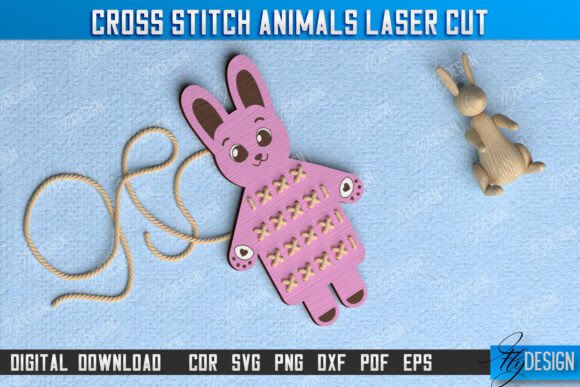
As an embroidery designer constantly scouting for unique assets to elevate boutique apparel, I recently stumbled upon Cross Stitch Cow Montessori Lacing on Creative Fabrica. At first glance, the listing categorizes it under Other Toys Games and highlights its utility as a Laser Cutting file, complete with red cut lines and black engrave paths. However, my designer eye immediately saw past the intended toy application. The visual structure of this cow motif—defined by its grid-like, cross-stitch aesthetic—offers a fascinating opportunity for modern sweatshirt embroidery and custom apparel collections. In this review, I am breaking down how this digital asset can be translated from a laser-cutting template into a standout machine embroidery design for small clothing brands and Etsy sellers.
Visual Personality and Design Mood
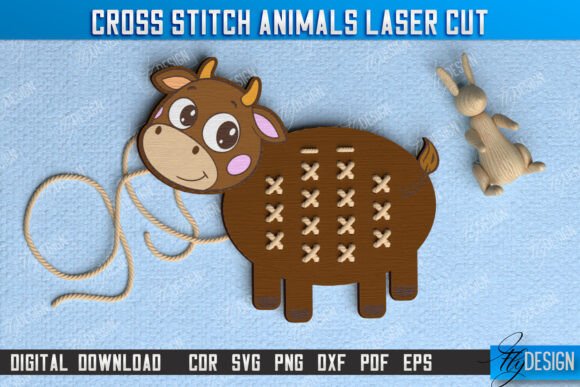
The first impression of Cross Stitch Cow Montessori Lacing is one of playful nostalgia mixed with rustic charm. The geometry of the cow, constructed to mimic the look of hand-stitched cross patterns, brings a "handmade product" feel that is incredibly trendy right now. It strikes a balance between cute and minimal, avoiding the overly dense saturation often found in traditional fill stitches. For a boutique brand looking to project warmth and approachability, this design hits the mark. It feels less like a corporate logo and more like a cozy seasonal outfit accent. The open nature of the cross-stitch style suggests a lightness that works beautifully on neutral sweatshirts or pastel hoodies, where heavy stitching might weigh down the fabric or alter the drape.
Adapting a Laser File for Apparel Embroidery
It is crucial to address the technical reality before diving into production. The product description explicitly states this is a CNC file great for Laser Cutting Machines, with specific instructions for red cut lines and black engrave lines. As an experienced designer, I must advise that this is not a ready-to-stitch embroidery file out of the box. To use Cross Stitch Cow Montessori Lacing for sweatshirt embroidery, you will likely need to digitize the vector paths into stitch data using your preferred software. This involves converting those laser cut lines into running stitches or satin columns and determining the appropriate stitch density. While this requires an extra step, it offers a significant advantage: total control over the final look. You can customize the thread colors to match your specific collection palette, ensuring the cow motif integrates seamlessly with your brand identity rather than being limited by a pre-made color scheme.
Ideal Applications for Boutique Collections
Once digitized, the versatility of this cow design shines across various garment types. Here is how I envision deploying it in a real-world shop scenario:
- Hoodie Chest Placement: A medium-sized version centered on the left chest of an oversized hoodie creates a subtle yet recognizable brand mark. The cross-stitch texture adds visual interest without overwhelming the garment.
- Sleeve Accents: Placed vertically on the forearm of a long-sleeve tee or sweatshirt, the cow acts as a trendy detail that encourages social media photos and lifestyle product shots.
- Tote Bag Design: The geometric nature of the design holds up exceptionally well on canvas tote bags. The structured look of cross-stitch complements the sturdy fabric texture of high-quality totes.
- Denim Jackets: On dark denim, using high-contrast thread colors (like cream or bright yellow) makes the cow pop, creating a statement piece perfect for fall collections.
- Back Designs: Scaled up, this motif could serve as a large back print alternative, offering a textured, embroidered look that stands out against flat screen prints.
Technical Considerations for Fabric and Stitching
When working with a design inspired by cross-stitch patterns on stretchy fabrics like fleece or ribbed knits, caution is paramount. The grid-like structure can become distorted if the fabric stretches significantly after hooping. For hoodie design projects involving heavy fleece, I recommend using a robust cut-away stabilizer to maintain the integrity of the cow's shape. If you are aiming for a vintage, slightly distressed look, a tear-away might suffice, but for a premium finished product, stability is key.
Furthermore, pay close attention to hoop size limitations. While the original laser file might be scalable indefinitely, your embroidery machine has physical limits. Ensure your digitized version fits within your available hoops, especially if you plan to place the design on curved surfaces like sleeve cuffs or near seams. Always test on scrap fabric that matches your production material. Check how the stitch density interacts with the fabric texture; too many stitches in a small area on a thin t-shirt can cause puckering, while too few on a thick sweatshirt might look sparse.
Enhancing Brand Value and Customer Engagement
Incorporating unique motifs like Cross Stitch Cow Montessori Lacing can significantly affect your apparel value. In a market saturated with generic graphics, offering a design that mimics the tactile quality of hand-embroidery builds buyer trust. It signals to the customer that thought and craftsmanship went into the small shop product. This attention to detail fosters product recognition; customers begin to associate that specific rustic-cow aesthetic with your boutique brand. Moreover, the "Montessori" and educational roots of the original design concept add a layer of storytelling to your marketing. You can position these items as wholesome, family-friendly, or inspired by childhood nostalgia, which resonates deeply with parents and gift-buyers on platforms like Etsy.
Final Designer Notes and Licensing
Before launching a collection based on this asset, there are critical steps to take. First, verify the licensing terms on the Creative Fabrica product page. Since the original intent is for toys and laser cutting, ensure that the license permits commercial use for commercial embroidery products and finished apparel sales. Do not assume the rights transfer automatically across different crafting mediums.
Second, since the product details do not specify stitch count, file formats for embroidery machines, or compatible hoop sizes (as it is primarily a laser file), you must handle the digitization process with care. Create a printable mockup to visualize the scale and placement before committing to thread and fabric. Compare different placement options on actual garments to see how the design flows with the garment's construction lines.
In conclusion, while Cross Stitch Cow Montessori Lacing starts as a tool for educational toys and laser crafts, its potential as a distinctive element in custom apparel is immense. With careful digitization and thoughtful application, it can transform standard sweatshirts and tees into cherished, boutique-quality pieces that stand out in a crowded marketplace.