Jesus Christ Design: A Pro Review for Holiday Embroidery
As a designer who spends more time staring at stitch maps than most people spend on their phones, I approach every new machine embroidery design with a mix of excitement and skepticism. When I first pulled up the Jesus Christ Design intended for the Christmas season, my immediate reaction was one of quiet reverence mixed with practical curiosity. This isn't just another festive motif; it carries a weight that demands precision. The visual personality of this piece feels traditional yet clean, avoiding the cluttered look that often plagues religious holiday imagery. For those of us running small shops or creating personalized gifts, the mood this design sets is crucial—it needs to feel warm and inviting, not stiff or overly commercial.
First Impressions and Visual Flow
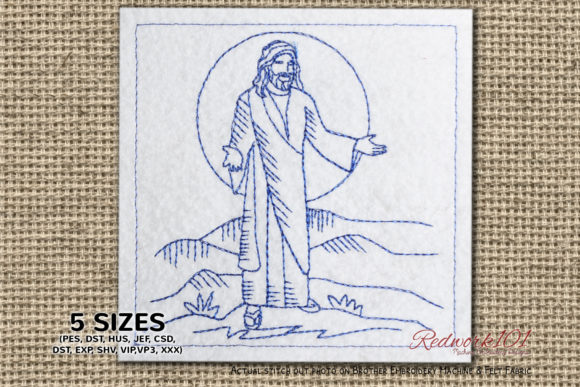
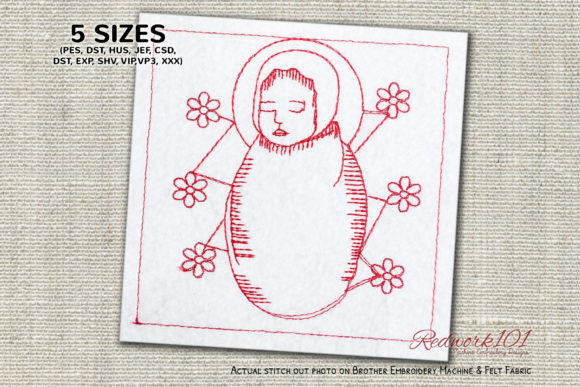
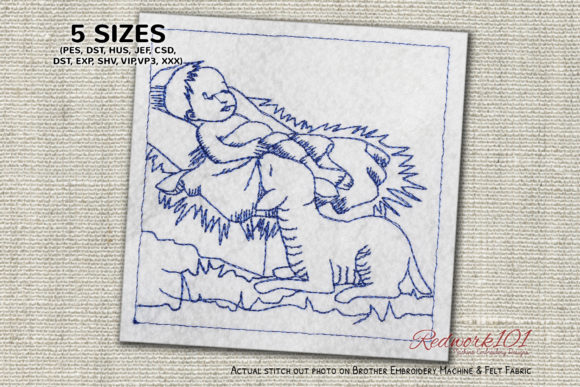
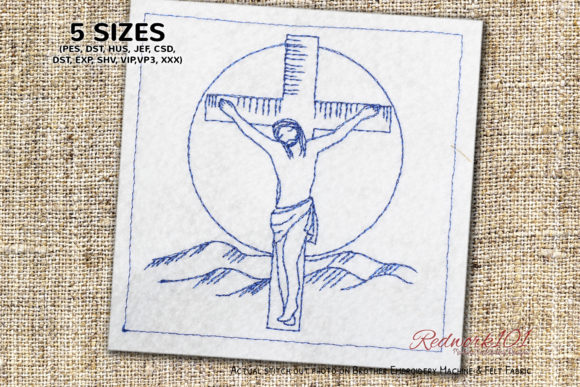
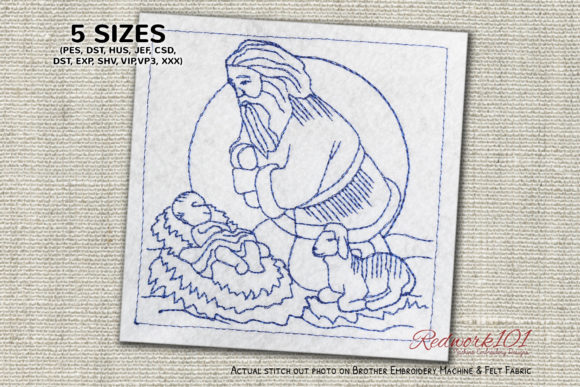
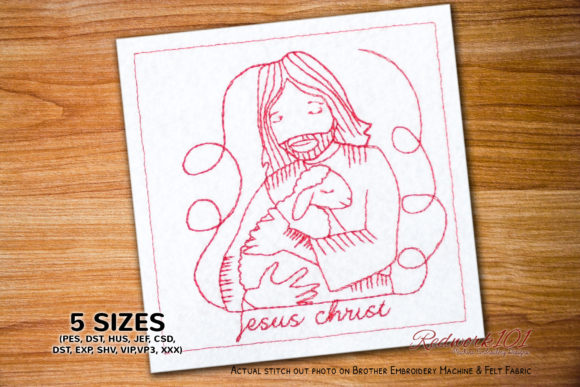
The layout of the Jesus Christ Design strikes a nice balance between detail and readability. In the world of embroidery, less is often more, especially when dealing with sacred figures. The lines appear deliberate, suggesting a thoughtful use of satin stitch for outlines and fill stitch for the heavier areas. One specific note from the product details caught my eye: "The Box Stitch shown in picture is optional." This is a vital detail for any Etsy seller or craft business owner. It implies flexibility. If you are stitching this onto a textured tote bag or a thick sweatshirt, having the option to skip an outer border can save you headaches with registration and fabric bunching. The description also mentions that the color of the outer box varies unless it is part of the design itself, advising that you can skip the color directly. This level of customization is exactly what we need when adapting a digital embroidery file for different brand palettes or client requests.
Real-World Application: The Holiday Sweatshirt Scenario
Let's walk through a real-life scenario. Imagine a customer orders a custom sweatshirt embroidery project for a family Christmas gathering. They want something meaningful but not tacky. The Jesus Christ Design fits this brief perfectly. I would visualize this centered on the chest of a high-quality, heavy-weight cotton blend. Because the design likely contains fine details, the choice of fabric is paramount. On a smooth, tight-weave fleece, the stitch density should hold up well, allowing the facial features and robes to remain distinct. However, if you are attempting this on a highly textured sherpa or a loose-knit sweater, you might lose some of that definition.
For a project like this, I would strongly recommend using a cut-away stabilizer. Even though the design might look light, religious icons often require a stable foundation to prevent the fabric from puckering around the eyes or hands over time. If you are an apparel decorator, you know that a shifting design on a garment meant to be worn repeatedly is a recipe for disaster. By treating this embroidery project with the same rigor as a corporate logo, you ensure the finished product maintains its value and professionalism.
Navigating Fabric Challenges and Hoop Sizes
While the Jesus Christ Design is versatile, it does demand respect regarding where it is placed. If you are considering this for baby embroidery, perhaps on a onesie or a christening gown, you must be cautious. Delicate fabrics like silk or fine cotton jersey can easily be overwhelmed by dense stitching. In these cases, checking the stitch count (which you should verify in the file specs before purchasing) is essential. If the density is too high, the fabric will become stiff and uncomfortable against a baby's skin.
Similarly, curved surfaces like caps present a unique challenge. Unless this design is specifically digitized as an applique design or optimized for caps, placing a detailed portrait on a structured hat can lead to distortion. The push and pull of the needle on a curved plane can warp the image, making the figure look unrecognizable. For embroidered patch creation, however, this design could shine. Patches allow you to stabilize heavily and trim away excess, giving you a crisp edge that looks fantastic on jackets or bags. Just remember to check your hoop size constraints; if the design is large, you may need a jumbo hoop, which not all home machines possess.
Commercial Viability and Brand Consistency
For creative entrepreneurs and digital product sellers, the question always comes down to marketability. Does this design sell? Absolutely, but context is key. In a boutique setting, this Jesus Christ Design works beautifully on kitchen towels, pillow covers, or even as a focal point on a holiday gift basket. It adds a layer of sincerity that mass-produced items lack. When customers see high-quality thread colors and precise stitching, it builds trust. They aren't just buying a product; they are buying a piece of art that reflects their values.
However, before listing this as a small shop product or including it in a bundle of design assets, you must confirm the licensing terms. The prompt notes that certain elements are optional, but it doesn't explicitly state the commercial rights for the digital file itself. Always read the fine print. Can you sell the finished product? Can you sell the digitized file? These distinctions protect your business from legal issues down the road. Furthermore, consider how the design looks in black and white mockups. If you plan to offer monochrome options for a minimalist aesthetic, ensure the contrast holds up without the aid of colorful threads.
Final Thoughts on Execution
Ultimately, the success of the Jesus Christ Design lies in the execution. It is a piece that invites contemplation, so your stitching should reflect that care. Test the design on scrap fabric that matches your final material. Check the thread color contrast against both light and dark backgrounds; a dark thread on a dark garment might disappear, losing the impact of the image. Pay attention to tiny lettering if the design includes script, as this is often the first place where resolution issues appear.
Whether you are decorating a custom apparel line for a church group or creating a single personalized gift for a loved one, this design offers a solid foundation. It respects the tradition of Christmas while offering the technical flexibility modern makers need. By approaching it with a critical eye and a steady hand, you can transform a simple embroidery file into a cherished heirloom that stands the test of time and washing cycles alike.