Hummingbird: A Designer's Review for Craft Fair Success
As I prepare my booth for the upcoming weekend craft fair, my table is covered in prototypes, swatches, and half-finished projects. The goal is always the same: curate a collection of handmade products that stop customers in their tracks. Today, I am putting the Hummingbird machine embroidery design under the microscope. This isn't just about whether the stitches look good; it is about whether this specific digital embroidery file will convert browsers into buyers in a busy market environment.
First Impressions and Market Mood
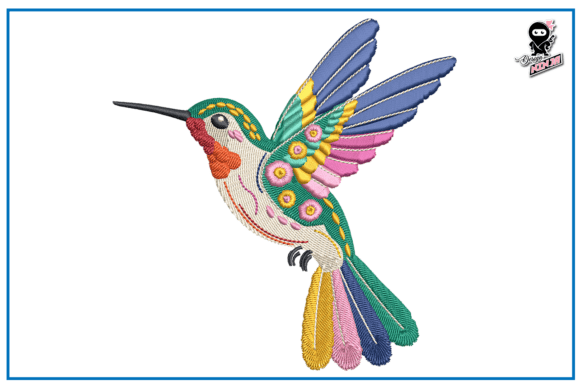
When I first loaded the Hummingbird onto my screen, the immediate feeling was one of delicate elegance mixed with vibrant life. Unlike some bold, blocky logos that scream for attention from across the aisle, this design feels more like a premium accent. It strikes a balance between modern minimalism and rustic charm, making it incredibly versatile for the current trends we see in boutique makers' shops. For an Etsy seller or a physical vendor, this mood is crucial. It suggests quality without being overly flashy.
The subject matter falls squarely into the Birds category, which remains a perennial favorite in the Embroidery world. However, the execution here feels fresh. It doesn't look like a generic clip-art conversion; it has the flow and dimensionality that suggest a high-quality embroidery file. This distinction is vital because experienced crafters can spot a low-resolution digitization from a yard away. If the design looks professional on the screen, it builds immediate trust in the finished product.
Product Application and Visual Impact
The real test for any craft fair product is how it translates onto physical goods. I envision the Hummingbird shining brightest on specific items in my inventory. Here is how I see it performing across different mediums:
- Tote Bags and Market Bags: Placed on the lower corner of a canvas tote, this design acts as a subtle branding element. It elevates a plain bag into a tote bag design that feels curated rather than mass-produced.
- Aprons and Tea Towels: For kitchen textiles, the Hummingbird offers a charming focal point. Apron embroidery needs to withstand washing, and if the stitch quality holds up, this becomes a best-seller for home cooks who love aesthetic kitchens. Similarly, tea towel embroidery benefits from the design's likely open spaces, preventing the fabric from puckering too much.
- Embroidered Patches: If hooped on twill with a merrow edge, this could become a fantastic embroided patch. Patches are low-cost, high-margin small shop products that appeal to impulse buyers at a booth.
- Caps and Pouches: On curved surfaces like caps, the design needs to be small enough to fit the front panel without distortion. On flat zippered pouches, it serves as a perfect central motif for gift sets.
The visual appeal of Hummingbird lies in its ability to draw the eye without overwhelming the base material. In a crowded booth, customers scan tables quickly. A design that offers a splash of color and recognizable shape helps anchor their gaze. When photographed for online listings or printable mockups, the organic lines of the bird should provide excellent contrast against solid backgrounds, making it a strong asset for digital marketing as well.
Production Realities and Practical Considerations
While the aesthetic is promising, a professional review must address the practicalities of production. As a designer, I know that what looks good on a monitor can sometimes be a nightmare in the hoop. There are several "careful-use" notes I would flag before committing to a full batch run.
First, consider the stitch density. Hummingbirds often imply iridescent feathers, which might be simulated through dense satin stitching or complex fill patterns. If the density is too high on lightweight fabrics like linen tea towels, the fabric may pucker or tear. Conversely, if the details are too fine, they might get lost on textured towels or thick denim. It is essential to test the design on scrap fabric that matches your intended inventory exactly.
Secondly, pay close attention to thread colors. The magic of a hummingbird often relies on the interplay of greens, blues, and perhaps a touch of red or orange. Ensure you have high-quality threads that offer good sheen; cheap thread will make even the best design look flat. Also, verify the hoop size requirements. If the design is large, ensure your machine and your products (like cap frames) can accommodate it. Always check the specific file details provided by the creator, as exact dimensions and formats vary.
For those selling commercial embroidery products, licensing is non-negotiable. The description mentions adding a personal touch to projects, but before selling finished goods at a fair or on Etsy, you must confirm the commercial licensing terms attached to this specific design assets purchase. Never assume a file is free for resale without explicit permission.
Maximizing Sales Potential
To truly leverage Hummingbird for business growth, consistency is key. Using this design across a cohesive line of products—matching pillow covers, pouches, and aprons—creates a branded look that enhances brand consistency. When customers see a unified theme, they perceive higher value and are more likely to purchase multiple items as gifts.
Furthermore, the ease of understanding the design at a glance is a major sales driver. Customers at a craft fair rarely have time to decipher abstract art. A hummingbird is instantly recognizable, evoking feelings of nature, speed, and beauty. This emotional connection drives buyer engagement. If the design photographs well for your social media teasers leading up to the event, it can drive foot traffic specifically looking for this item.
Final Verdict for the Handmade Entrepreneur
In conclusion, the Hummingbird design appears to be a strong contender for a diverse range of handmade products. Its versatility allows it to function as both a delicate accent on high-end linens and a standout feature on casual wear. However, success depends entirely on execution. Do not skip the step of creating at least one real mockup. Check the spacing of elements to ensure no tiny details vanish after washing. Inspect the back of your hoop to ensure clean trims and proper stabilizer usage, especially if working with stretchy knits or slippery silks.
If the technical specs align with your machinery and your fabric choices, this design has the potential to be a staple in your inventory. It bridges the gap between artistic expression and commercial viability, offering a pathway to create beautiful, sellable goods that resonate with the handmade community. Whether you are a seasoned Etsy seller or a new boutique maker, giving Hummingbird a trial run could be the catalyst for your next best-selling collection.