Game Rooster: A Bold Pick for Your Craft Fair Booth
As an embroidery designer who has spent countless weekends setting up booths at local craft fairs and handmade markets, I know that the difference between a browsing customer and a buyer often comes down to one thing: visual impact. When I recently reviewed the Game Rooster machine embroidery design, my immediate thought wasn't just about how it looks on a screen, but how it would perform under the harsh fluorescent lights of a convention center or the soft glow of a boutique display. This isn't just another bird motif; it is a statement piece designed to grab attention in a crowded marketplace.
First Impressions: Fierce, Colorful, and Market-Ready
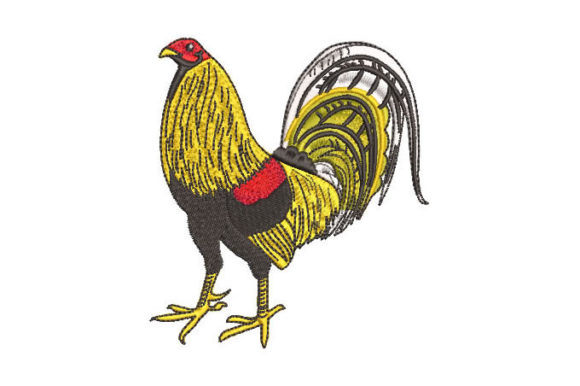
The product description promises a "colorful and very beautifully designed" bird with a "fierce and naturally fascinating character," and upon loading the embroidery file, those claims hold true. In the world of Birds and nature-themed Embroidery, many designs lean towards the cute, minimalist, or overly rustic. The Game Rooster, however, strikes a unique balance. It feels bold and decorative without losing its premium handmade quality. The color palette suggests high contrast, which is crucial for a craft fair product. When customers are walking past dozens of tables, they need to see your item from three feet away. This design delivers that instant readability.
For Etsy sellers and creative entrepreneurs looking to expand their physical inventory, this design offers a versatile aesthetic. It fits perfectly into the modern farmhouse trend but has enough vibrancy to appeal to buyers looking for something more contemporary and energetic. It is not shy; it demands to be seen, making it an excellent candidate for a focal point on any handmade product.
Strategic Product Placement for Maximum Sales
When preparing my table display for a weekend market, I am always strategic about where I place my strongest designs. Here is how I envision the Game Rooster performing across various items:
- Tote Bags and Market Bags: This is likely the strongest contender for this design. A large, colorful rooster centered on a canvas tote creates an instant tote bag design that acts as a walking advertisement. The fierce character of the bird adds personality to a typically plain item.
- Aprons and Kitchen Towels: For the home cook, the apron embroidery potential here is huge. The "fierce" nature of the rooster plays well with the idea of a master chef ruling the kitchen. Similarly, tea towel embroidery using this design can elevate a simple linen towel into a giftable heirloom.
- Embroidered Patches: If you are targeting a younger demographic or the DIY crowd, turning this into an embroided patch is a smart move. Patches are low-cost, high-margin small shop products that allow customers to try your brand without a big investment.
- Caps and Pouches: While viable, these require more caution. The curvature of a cap can distort wide designs, and small pouches may not offer enough surface area for the intricate details of a "very beautifully designed" bird to shine without crowding.
Production Realities and Practical Selling Points
From a production standpoint, the Game Rooster appears to be a repeatable asset for batch production, which is essential when you need to restock quickly between shows. However, there are practical considerations every commercial embroidery professional must address before stitching the first unit.
The description notes that the design comes with "multiple embroidery file" formats, which is a relief for compatibility, but it does not specify exact stitch counts or hoop requirements. This is a critical gap you must fill before committing to a large run. A design described as "colorful" implies a higher number of thread colors. More colors mean more trims and jumps, which increases production time. You need to calculate if the perceived value of the finished product justifies the extra machine time.
Furthermore, the visual appeal of this design relies heavily on clarity. If the stitch density is too high in the colorful sections, you risk thread bunching, especially on textured fabrics like waffle-weave towels. Conversely, if the density is too low, the "fierce" details might get lost, making the bird look muddy from a distance.
Navigating Fabric Textures and Technical Challenges
To ensure the Game Rooster maintains its premium look, you must be vigilant about fabric selection. Here are specific areas where this design could face challenges:
- Dense Stitch Areas: Watch out for saturation in the body of the rooster. On thick fabrics like denim or heavy canvas, high density can cause puckering. Always test on scrap fabric first.
- Textured Towels: Terry cloth or waffle weave can swallow small details. If the design has fine lines defining the feathers, they may disappear on a looped towel surface. A cut-away stabilizer is non-negotiable here.
- Curved Surfaces: As mentioned, applying this to caps requires careful hooping. The width of the rooster might exceed the safe stitching area of a standard cap frame, leading to distorted proportions.
- Dark Fabric: While the design is colorful, ensure there is sufficient underlay stitching if you plan to run this on black or navy items. Without proper underlay, the vibrant threads can look dull against dark backgrounds.
Enhancing Brand Consistency and Buyer Engagement
Incorporating the Game Rooster into your lineup does more than just add a new SKU; it strengthens your brand identity. Using a consistent, high-quality digital embroidery file across different products—from pillow covers to wall hangings—creates a cohesive booth display. Customers are drawn to collections that look curated rather than random.
For online sales, this design is a photographer's dream. The natural fascination of the bird makes for compelling printable mockup images and lifestyle photos. A close-up shot highlighting the texture of the stitches can significantly increase click-through rates on Etsy or your personal website. The "cool bird" factor serves as a hook in your product titles and descriptions, drawing in buyers who appreciate unique character in their home decor.
Final Designer Notes for Success
Before you list the Game Rooster as a flagship item, treat it with the respect a complex design deserves. Create at least one real physical mockup on your intended best-seller fabric to verify the hoop size limitations and color transitions. Compare how the threads look on natural cotton versus dyed poly-blends; the "colorful" promise of the design depends entirely on the thread brand and fabric interaction.
Most importantly, confirm the commercial licensing terms. The description mentions it is a machine embroidery design suitable for products, but never assume. Ensure you have the right to sell finished goods made from this design asset. Once verified, the Game Rooster stands ready to be a fierce competitor in your sales lineup, offering the kind of visual pop that turns passersby into loyal customers.