Lotus Girl Redwork: A Craft Fair Designer's Review
As an embroidery designer preparing for a busy weekend at the local artisan market, my table space is premium real estate. Every item I display needs to stop a scrolling customer in their tracks and convince them that this handmade product is worth their hard-earned money. Today, I am evaluating the Lotus Girl, Floral Redwork Embroidery design to see if it earns a spot on my booth samples. This isn't just about aesthetics; it is about practicality, production speed, and sales potential for us Etsy sellers and boutique makers.
First Impressions: Minimalist Charm with Maximum Impact
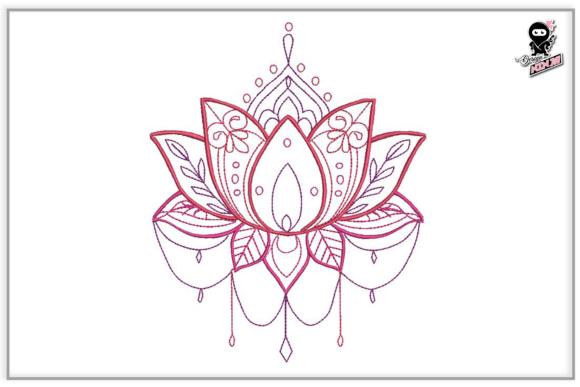
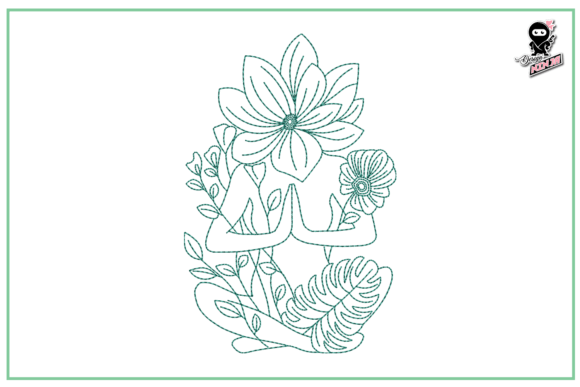
Upon loading the digital embroidery file into my software, the first thing that strikes me about Lotus Girl, Floral Redwork Embroidery is its timeless simplicity. In a sea of overly complex, multi-color designs, this piece stands out as elegant and rustic. The "Redwork" style—traditionally using a single thread color, usually red, against a neutral background—immediately signals a farmhouse or vintage aesthetic that is incredibly popular right now. It feels soft yet decorative, avoiding the clutter that can sometimes make machine embroidery look cheap. For a small shop product, this minimal approach suggests high-end quality without screaming for attention.
The subject matter, a girl intertwined with lotus flowers, falls perfectly into the Outline Flowers category. This line-work style is crucial for craft fair success because it reads clearly from a distance. When a customer walks past my booth, they need to understand the image in a split second. Complex shading can blur on textured fabrics, but clean outlines remain crisp. This design feels modern enough for a young adult's tote bag but classic enough for a grandmother's kitchen decor, giving it a broad appeal.
Product Versatility: Where This Design Shines
The true test of any machine embroidery design is how well it translates across different substrates. I am mentally staging my display table, imagining where Lotus Girl, Floral Redwork Embroidery would perform best.
- Tote Bags and Market Bags: This is likely the winner. A large canvas tote with this design centered in deep red thread against natural cotton is a quintessential craft fair product. The flat surface of a bag allows the outline details to shine without distortion.
- Apron Embroidery: Placing this on the bib of a linen apron creates a charming, functional piece. The redwork style complements the utility of an apron, making it feel like a heirloom item rather than just kitchen gear.
- Tea Towel Embroidery: Waffle weave or flour sack towels are staples at markets. Because redwork typically has lower stitch density than fill-heavy designs, it sits flatter on these thinner fabrics, preventing the towel from puckering or becoming stiff.
- Embroidered Patches: If I hoop a twill backing, this design could become a fantastic iron-on patch. Patches are low-cost impulse buys that add significant revenue to a booth.
- Pillow Covers: For home decor, this design works beautifully as a focal point on a throw pillow, adding a touch of nature-inspired art to living spaces.
However, I would be cautious about using this on caps. The curved surface of a baseball cap can distort long, continuous lines found in outline designs. Unless the digitizing is specifically optimized for caps, the lotus stems might look wavy in the finished product.
Production Practicality for the Busy Maker
When running a small business, time is money. One of the strongest selling points of Lotus Girl, Floral Redwork Embroidery is its efficiency. Redwork designs generally use fewer thread changes and less stitching time compared to full-color portraits. This makes them ideal for batch production. I could easily stitch out ten tote bags in the time it takes to do two complex jackets. This repeatability is essential for stocking up before a big event.
Furthermore, this design photographs exceptionally well. For us Etsy sellers who rely on printable mockup images and flat-lay photography, the high contrast of red thread on white or cream fabric pops on camera. It creates clean design assets for social media marketing without needing extensive photo editing. The simplicity ensures that the image loads quickly on mobile devices and remains clear even in thumbnail views.
Critical Considerations and Careful Use
Despite its strengths, a professional review must address potential pitfalls. While redwork is generally forgiving, there are specific scenarios where Lotus Girl, Floral Redwork Embroidery requires careful handling.
- Fabric Texture: On highly textured towels or thick fleece, fine outline stitches can get lost. I recommend testing on a scrap piece of your intended fabric first. If the texture is too rough, the lines may appear broken.
- Dark Fabric: Traditional redwork relies on light backgrounds. If you intend to stitch this on dark navy or black fabric, the red thread might not provide enough contrast unless you use a very bright crimson or switch to a gold or white thread, altering the original vibe.
- Small Details: Check the spacing between the girl's features and the flower petals. If you scale this design down too much for a small pouch or pocket, those tiny gaps might fill in with thread, losing the definition of the Outline Flowers.
- Stabilizer Choice: Even with lower density, using the correct stabilizer is non-negotiable. For stretchy fabrics like t-shirts, a cut-away stabilizer is best to prevent the design from distorting over time. For woven linens, a tear-away usually suffices.
Enhancing Brand Value and Customer Engagement
Incorporating Lotus Girl, Floral Redwork Embroidery into my collection does more than just add a pretty picture; it elevates the perceived value of my brand. Customers associate clean, single-color embroidery with intentionality and artistic skill. It suggests that the maker cares about the longevity and look of the finished product. When a customer sees this design on a sample, they immediately visualize it in their own home or wardrobe, which drives buyer engagement.
Consistency is key for boutique makers. If my brand focuses on natural, earthy, or vintage goods, this design reinforces that identity. It acts as a visual anchor that ties together different products, from aprons to pillows, creating a cohesive booth display that looks professional and curated.
Final Verdict and Designer Notes
Before committing to a full production run, I always follow a strict checklist. First, I will stitch a test sample on scrap fabric to verify the thread colors and tension. Second, I will confirm the hoop size requirements to ensure it fits my smallest hoop if I plan to make patches, or my largest for blankets. Third, and most importantly, I will double-check the licensing terms. The description mentions it is perfect for decorating clothing and gifts, but as a commercial embroidery user, I must ensure the license explicitly allows for selling finished physical goods, not just personal use.
In conclusion, Lotus Girl, Floral Redwork Embroidery is a standout choice for craft fair vendors and online sellers alike. Its blend of rustic charm, production efficiency, and visual clarity makes it a reliable workhorse for generating sales. Whether used as a tote bag design or a delicate accent on home decor, it brings a level of creativity and professionalism that customers love. By respecting the limitations of fabric texture and scale, this design can become a staple in your handmade inventory, helping you build a loyal customer base one stitch at a time.