Cute Cat Review: A Designer's Take on Branded Merch
As an embroidery designer who has spent years digitizing and stitching for small businesses, I approach every new machine embroidery design with a critical eye. It is not just about whether a file looks pretty on a screen; it is about how that design translates into a tangible asset for a brand. Today, I am reviewing the Cute Cat design to see if it holds up under the scrutiny of commercial application. For boutique owners, café managers, and Etsy sellers looking to expand their small business merch, finding the right visual element is crucial. This review breaks down how this specific file performs when moved from a digital concept to a physical product.
First Impressions and Visual Personality
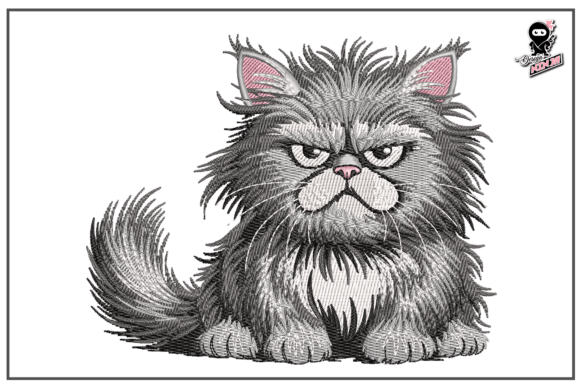
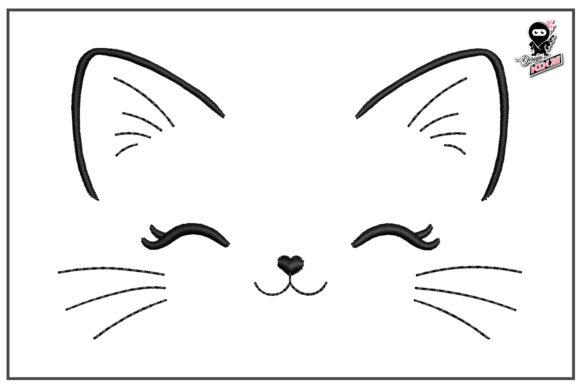
Upon loading the digital embroidery file, the immediate impression of Cute Cat is one of approachable warmth. In the world of Cats themed art, there is a fine line between childish and charmingly professional. This design leans heavily into the latter, offering a friendly and playful aesthetic without sacrificing clarity. For a pet brand, a creative studio, or a local bakery, this vibe is invaluable. It suggests a business that cares about details and possesses a gentle, handmade soul.
The description notes that these designs bring creativity to clothing and home decor, and visually, the Cute Cat supports this claim. The lines appear clean, suggesting a well-thought-out stitch path. However, "cute" can sometimes mean overly detailed in ways that do not translate well to thread. My initial assessment is that this design works best for brands wanting to project reliability mixed with whimsy. It is not necessarily a high-fashion statement, but rather a tool for building customer connection through brand identity.
Real-World Applications for Small Business
The true test of any embroidery file is its versatility across different substrates. Here is how Cute Cat performs in various commercial scenarios:
- Embroidered Patches: This is likely the strongest use case. A patch allows the design to be created on ideal fabric and then applied to hats, bags, or jackets. The Cute Cat would make an excellent collectible item for a pet store or a loyalty reward for a coffee shop.
- Staff Uniforms and Aprons: For a florist or a children's boutique, placing this design on an apron embroidery layout adds a personal touch. It humanizes the staff and makes the customer experience feel more intimate and less corporate.
- Cap Embroidery: Placing the design on the front or side of a cap can work, provided the curvature of the hat does not distort the facial features of the cat. It serves as a subtle brand marker rather than a loud logo.
- Tote Bag Design: Canvas totes are a staple for market vendors. The Cute Cat acts as a central focal point here, turning a simple bag into a walking advertisement for the shop.
- Product Packaging Accents: Small versions of the design can be stitched onto fabric tags attached to handmade products, elevating the perceived value of the finished product.
Technical Considerations and Potential Pitfalls
While the aesthetic is strong, a professional must consider the technical limitations of commercial embroidery. The description mentions high quality, but every designer knows that thread behaves differently than pixels. When using Cute Cat, there are specific areas where caution is required.
First, consider the stitch density. If the design relies on heavy satin stitches to define the cat's eyes or whiskers, it may become too stiff for lightweight fabrics like thin cotton tees. Conversely, if it uses too many running stitches, the detail might get lost on textured materials. You must evaluate the thread colors carefully. A design that looks vibrant on a white background might vanish on a dark navy uniform if the contrast is not sufficient. Always request a physical sample or run a test stitch-out on the actual fabric you intend to use.
Furthermore, size matters. If you intend to use this as a tiny chest logo on a work shirt, ensure the details do not merge together. Small text or intricate outlines often require simplification when scaled down. For cap embroidery, remember that the surface is curved; a design that is too wide or has large open spaces might pucker or look distorted once stitched.
Impact on Brand Identity and Customer Trust
Why choose Cute Cat over a generic text logo? The answer lies in emotional connection. In the realm of handmade product sales, customers are buying a story as much as an item. A well-executed embroidered cat signals that the business invests in quality assets. It moves the brand away from mass-produced feelings and toward something curated and special.
Consistency is key. If your design assets include this motif across your website, your packaging, and your staff apparel, you create a cohesive visual language. This recognition builds trust. When a customer sees the same high-quality embroidered patch on their tote bag and your social media, it reinforces professionalism. It tells them that you pay attention to the details, which implies you will also pay attention to the quality of the service or goods you provide.
Practical Notes for the Production Phase
Before committing to a large production run for your custom apparel or merchandise line, follow these practical steps to ensure success with the Cute Cat file:
- Test in Black and White: Print the design in grayscale first. If the shapes lose definition without color, the stitch structure may need adjustment before production.
- Check Hoop Size Compatibility: Verify the required hoop size against your machine's capabilities. Do not assume it fits a standard 4x4 hoop without checking the specific dimensions provided by the seller.
- Stabilizer Selection: Choose the right stabilizer for your fabric. A cut-away stabilizer is often safer for items that will be washed frequently, ensuring the design does not pucker over time.
- Create a Printable Mockup: Before stitching, create a printable mockup to show clients or stakeholders. This helps visualize the scale and placement on the final garment.
- Review Licensing Terms: Crucially, confirm the commercial licensing. Just because a file is high quality does not automatically grant the right to sell thousands of units. Ensure the license covers your intended volume of small business merch.
- Fabric Texture Test: Stitch a sample on the exact fabric texture you plan to use. Terry cloth, denim, and silk all react differently to the same file.
In conclusion, the Cute Cat design offers significant potential for businesses looking to inject personality into their branding. Whether used for tote bag design, staff uniforms, or exclusive patches, its success depends on thoughtful execution. By respecting the technical constraints of Embroidery and focusing on how the design serves your broader brand narrative, you can turn a simple digital file into a powerful tool for customer engagement. Always prioritize testing and verification to ensure that the final result matches the promise of the initial design.