Chihuahua Dog: A Pro Review for Branded Merch
As an embroidery designer who has spent years digitizing and reviewing files for commercial use, I approach every new machine embroidery design with a critical eye. It is not just about whether the image looks cute on a screen; it is about how that digital embroidery file translates into a tangible asset for a small business. Today, I am reviewing the Chihuahua Dog design, specifically evaluating its potential for branded patches, staff uniforms, and boutique merchandise. For shop owners in the pet industry, cafes, or creative studios, this design offers a unique opportunity to inject personality into their brand identity.
First Impressions and Visual Personality
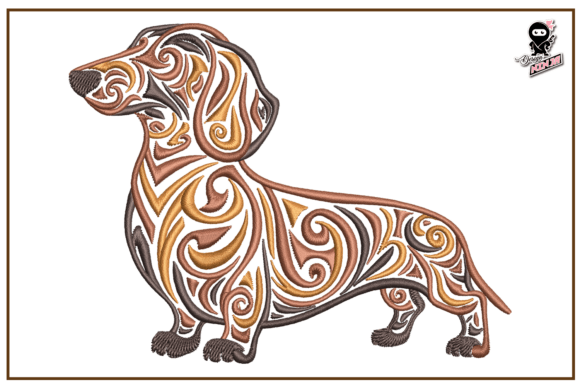
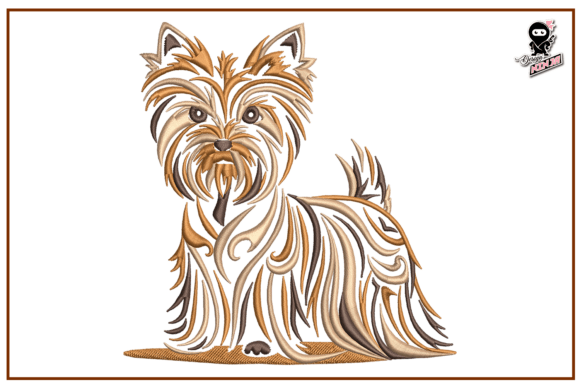
Upon loading the Chihuahua Dog into my editing software, the immediate impression is one of playful elegance. The design strikes a balance between a rustic, handmade feel and a modern, clean aesthetic that is crucial for professional applications. Unlike generic clipart that often lacks depth, this embroidery file appears to utilize varied stitch directions to create texture, giving the subject a lively presence. For businesses looking to convey friendliness and approachability—such as a local bakery, a florist, or a pet grooming salon—this visual tone is spot on. It feels premium enough for a high-end boutique yet accessible enough for a community coffee shop.
The categorization under Dogs is obvious, but the execution elevates it beyond simple animal imagery. It serves as a character piece that can become a recognizable mascot for a brand. Whether used as a chest logo accent on a work shirt or a detailed sleeve element, the design commands attention without being overwhelming. This versatility is rare in stock designs, which often lean too heavily into cartoonish styles that undermine professional credibility.
Real-World Business Applications
The true test of any design is its performance in real-world scenarios. I envision the Chihuahua Dog thriving in several specific commercial contexts. For a pet brand or a veterinary clinic, this design is perfect for creating an embroidered patch that can be sewn onto employee aprons or tote bags given to customers. The distinct lines of the design suggest it would hold up well as a standalone patch, providing a durable mark of quality.
In the realm of custom apparel, this design excels as a focal point. Imagine a line of branded hoodies for a creative studio where the Chihuahua is placed prominently on the back, or a more subtle iteration on the pocket of a denim jacket for retail staff. For Etsy sellers and crafters, incorporating this into small business merch can significantly boost perceived value. A simple canvas tote becomes a collector's item when adorned with a high-quality, themed embroidery piece. Furthermore, for event merchandise, such as a local dog show or a community fair, this design serves as an excellent centerpiece for commemorative items, fostering a sense of community and buyer engagement.
The description notes its suitability for home decor and gifts, which expands its utility for product designers. It could be effectively used on throw pillows for a boutique hotel lobby or as a decorative element on packaged goods, acting as a seal of authenticity. The ability to translate from a digital file to a physical finished product that enhances customer trust is the hallmark of a successful commercial design.
Technical Considerations for Production
While the artistic merit of the Chihuahua Dog is high, a professional reviewer must address the technical constraints of production. When planning to use this for cap embroidery or small patches, one must be vigilant about scale. Intricate details that look stunning at four inches may merge into a blob when reduced to one inch. Before committing to a large run, it is essential to test the design at the intended size to ensure the stitch density does not become too high, which can cause puckering or thread breaks.
Fabric texture plays a massive role in the final outcome. On smooth polo shirts, the design will likely appear crisp and defined. However, on textured fabrics like heavy canvas tote bags or corduroy aprons, the interaction between the thread and the fabric weave needs careful consideration. I strongly advise running a test stitch-out on the actual material you intend to use. Additionally, when working with dark uniforms, ensure that the thread colors selected provide sufficient contrast. A lack of contrast can render the fine details of the Chihuahua invisible from a distance, defeating the purpose of brand recognition.
Curved surfaces, such as the front of a baseball cap, present another challenge. The design must be digitized with pull compensation in mind to prevent distortion. If the provided file does not specify a dedicated cap version, you may need to adjust the hoop placement or use a stronger stabilizer to maintain the integrity of the shape during the stitching process.
Enhancing Brand Identity and Value
Integrating the Chihuahua Dog into your product line does more than just decorate an item; it reinforces your brand identity. Consistency is key in building customer trust. If your brand voice is playful and artisanal, this design acts as a visual anchor that communicates those values instantly. It transforms a standard uniform into a conversation starter and a plain tote bag into a walking advertisement.
For handmade brands, the presence of machine embroidery signals a level of care and customization that mass-printed graphics cannot match. It adds tactile value to the handmade product, justifying a higher price point. Customers often associate embroidered logos with durability and quality, which directly influences their perception of your business's professionalism. By using this design across various touchpoints—from staff aprons to packaging accents—you create a cohesive visual language that enhances recognition and loyalty.
Professional Designer Notes and Best Practices
To ensure the best results with the Chihuahua Dog design, I recommend following these practical steps before full-scale production:
- Test in Monochrome: Always stitch a sample in black and white first. This reveals if the design relies too heavily on color gradients to define shapes, which can be problematic for single-color branding.
- Verify Scale: Check if the design remains legible at small patch sizes. Fine details in the face or ears may need simplification if scaling down significantly.
- Review Thread Contrast: Ensure your chosen thread colors pop against the base fabric, especially for items that will be viewed from a distance.
- Inspect Spacing: Look for areas where stitches are too close together, which can lead to thread bunching, or too far apart, revealing the backing.
- Confirm Hoop Size: Verify that the design fits within your available hoop size without requiring re-hooping, which can cause alignment issues.
- Use Proper Stabilizer: Match your stabilizer to the fabric weight; stretchy fabrics require cut-away stabilizer to prevent distortion over time.
- Create a Mockup: Generate a printable mockup or a digital composite to show clients how the design assets will look on the final product before stitching begins.
- Check Licensing: Since this is for commercial embroidery, confirm the licensing terms of the digital embroidery file to ensure you have the rights to sell items featuring this design.
The product description mentions it is a "high-quality machine embroidery design," but it does not specify exact stitch counts, file formats, or specific license terms. Therefore, it is imperative to review the downloadable package details thoroughly before promising delivery dates to clients. By taking these precautions, the Chihuahua Dog can become a staple in your catalog of design assets, driving sales and enhancing the visual appeal of your branded merchandise.