Rainbow Tiger: A Bold Review for Boutique Sweatshirts
As an embroidery designer who has spent years digitizing and stitching for small clothing brands, I approach every new machine embroidery design with a critical eye. It is not just about whether the image looks cute on a screen; it is about how that digital embroidery file translates into thread on fabric, especially when the stakes are high for a limited boutique drop. Recently, I evaluated the Rainbow Tiger design with a specific project in mind: a premium, oversized sweatshirt collection for a trendy online shop. This review breaks down why this piece from the Wild Animals category stands out as a versatile asset for modern custom apparel.
First Impressions and Design Personality
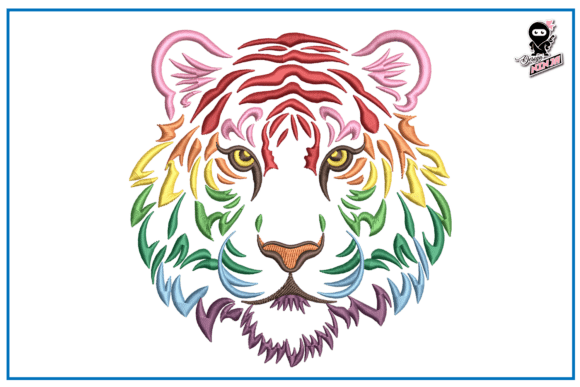
The moment I loaded the Rainbow Tiger into my editing software, the mood was immediately clear. This is not a rustic or minimal design; it is bold, playful, and undeniably decorative. The use of vibrant hues suggests a design that refuses to blend into the background. For a boutique brand looking to make a statement, this level of visual energy is exactly what drives customer engagement. The layout appears balanced, with the tiger motif serving as a strong focal point that commands attention without feeling cluttered.
What strikes me most is the potential for this design to bridge the gap between "cute" and "fashion-forward." In the current market, customers are looking for handmade product quality that feels intentional. The rainbow palette offers a unique twist on the traditional animal motif, making it perfect for spring collections or pride-themed drops. It feels premium because of its complexity, yet approachable enough for casual wear. When visualizing the finished product, I can already see how the interplay of colors will catch the light, adding depth that flat prints simply cannot achieve.
Strategic Placement on Sweatshirts and Hoodies
Choosing the right placement is crucial for sweatshirt embroidery. For the Rainbow Tiger, I envision three distinct applications that would work beautifully for a small shop product line. First, a large chest placement on an oversized, neutral-colored hoodie creates an instant icon. On a cream or oatmeal fabric, the rainbow threads pop with incredible contrast, making the design the hero of the garment. Second, consider a sleeve accent. A smaller version of the tiger on the forearm adds a subtle touch of branding that feels exclusive and high-end.
Third, and perhaps most impactful for social media marketing, is a full-back design. Placing the Rainbow Tiger centrally on the back of a dark charcoal or black sweatshirt allows the colors to truly sing. This approach transforms a basic garment into a statement piece, ideal for lifestyle product photography. When creating printable mockup previews for your Etsy listings or website, showing the design in these varied positions helps customers visualize the fit and style, increasing buyer trust and conversion rates.
Fabric Considerations and Color Theory
The success of any embroidery file relies heavily on the canvas it occupies. With Rainbow Tiger, fabric texture plays a massive role. On thick, cozy fleece, the stitches will sit slightly higher, giving the tiger a tactile, 3D quality that enhances its playful nature. However, on smoother French terry, the details will appear sharper and more defined. For pastel-colored apparel, the design acts as a delightful surprise, softening the boldness of the tiger while maintaining its whimsical charm. Conversely, on deep navy or forest green, the rainbow elements provide a striking juxtaposition that feels sophisticated rather than childish.
Thread color contrast is where this design truly shines. The variety of hues ensures that no matter the base fabric, there will be sufficient separation between the subject and the background. This is vital for small-size readability if you plan to scale the design down for pocket logos or tag labels. The transition between colors appears smooth, suggesting a well-digitized path that minimizes unnecessary jumps or trims, which is a key factor in efficient commercial embroidery production.
Technical Execution for Professional Results
From a technical standpoint, producing Rainbow Tiger requires attention to detail to maintain its premium feel. Stitch density is a primary concern; if the design is too dense, it may cause the fabric to pucker, especially on lighter weight sweatshirts. If it is too sparse, the fabric might show through, diminishing the vibrancy of the rainbow effect. As a designer, I recommend testing a sample on your specific fabric stock before running a full production batch. Pay close attention to the underlay settings to ensure the design lays flat and stable.
Choosing the correct stabilizer is equally important. For heavy hoodies, a cut-away stabilizer is often the best choice to support the weight of the multiple color changes and ensure long-term durability through washes. Since this design is intended for wearable art, washing durability is non-negotiable. The interplay of different thread types within the rainbow spectrum must hold up against friction and detergent without fading or fraying. Always verify the recommended hoop size for your machine to ensure the entire design fits without needing to re-hoop, which can lead to alignment issues.
It is important to note that while the description highlights the creativity and versatility of the design, specific technical data such as exact stitch count, available file formats, or specific license terms were not provided in the initial overview. Before committing to a large run, I strongly advise checking the product listing for these details to ensure compatibility with your embroidery machinery and business needs.
Elevating Brand Identity and Value
Incorporating Rainbow Tiger into your catalog does more than just add a new item; it elevates your entire brand identity. For an Etsy seller or creative entrepreneur, offering unique, high-quality embroidered goods distinguishes you from mass-market retailers. This design signals to your audience that you value artistry and detail. It fosters visual recognition, as customers begin to associate that specific burst of color and the tiger motif with your shop.
Furthermore, the perceived value of an embroidered garment is significantly higher than a printed one. The texture and shine of the threads justify a higher price point, directly impacting your profit margins. By presenting Rainbow Tiger as part of a cohesive collection—perhaps paired with other Wild Animals or seasonal themes—you create a narrative that resonates with buyers looking for meaningful, handmade gifts. The design's ability to work across clothing, home decor, and accessories makes it a flexible asset for expanding your product lines.
Ultimately, the Rainbow Tiger is more than just a pattern; it is a tool for storytelling. Whether used for a cozy winter drop or a vibrant spring launch, it brings a sense of joy and creativity to every stitch. For designers willing to pay attention to fabric choice, stabilization, and placement, this design offers a fantastic opportunity to create memorable, high-value apparel that customers will love to wear and share.