Cross Stitch Pig Montessori Lacing CNC Review
As a designer who spends more time staring at stitch maps than most people care to admit, I approach every new machine embroidery design with a mix of curiosity and skepticism. We have all downloaded a file that looked adorable on the screen but turned into a bird's nest on the fabric. So, when I first encountered the Cross Stitch Pig Montessori Lacing CNC, my initial reaction was one of confusion followed by immediate creative recalibration. This is not your standard satin stitch piglet meant for a baby onesie. It is something far more structural, blending the aesthetic of traditional needlework with the precision of modern digital fabrication.
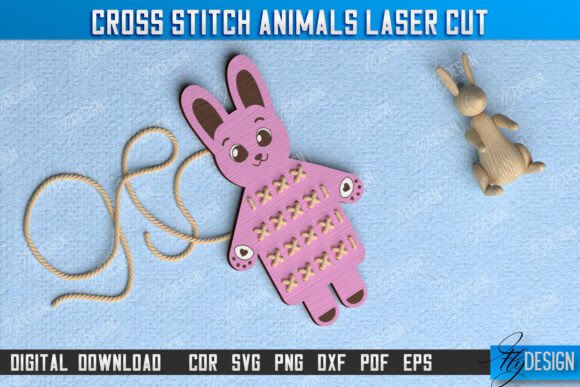
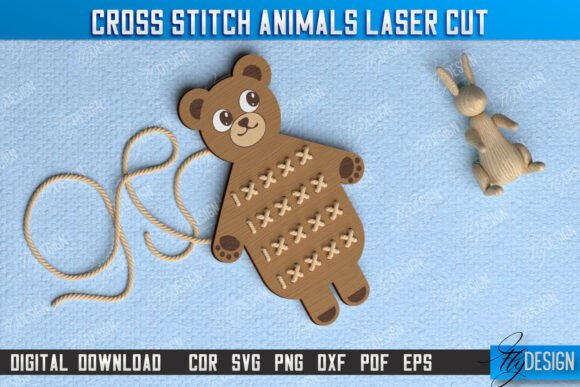
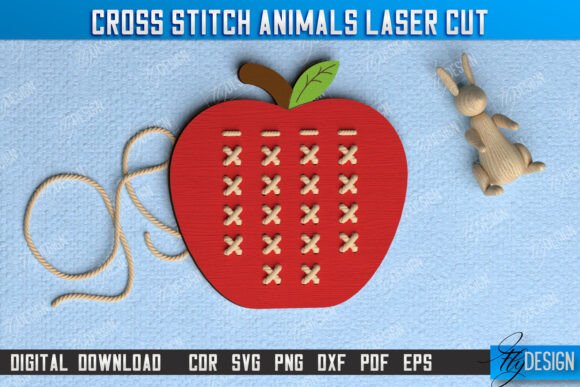
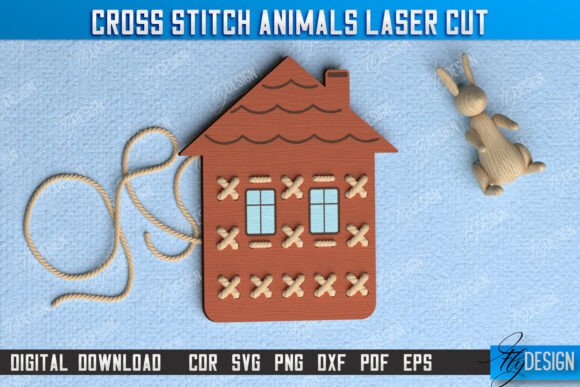
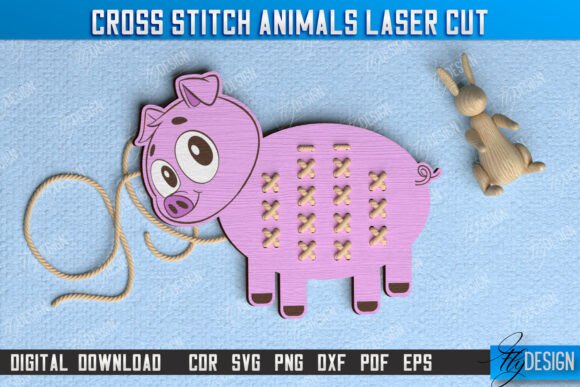
The product description explicitly categorizes this under Other Toys Games and highlights its primary function as a Laser Cutting file. The instructions are clear: red lines for cutting, black lines for engraving. However, as an embroidery professional, my mind immediately jumped to how this specific aesthetic could translate into a tangible embroidery project. The visual language here is distinct—it mimics the pixelated, grid-based charm of cross-stitch but presents it as a vector path. This duality makes it a fascinating asset for anyone looking to create unique design assets for a craft business.
The Aesthetic Appeal and Design Personality
The first thing that strikes you about the Cross Stitch Pig Montessori Lacing CNC is its playful yet educational mood. It does not try to be hyper-realistic; instead, it embraces a stylized, geometric form that feels incredibly current in the world of nursery decor and modern handmade goods. The "cross stitch" simulation creates a texture that implies warmth and tradition, even before a single thread is pulled or laser beam is fired. For an Etsy seller or boutique owner, this visual personality is gold. It signals "handmade" and "thoughtful" without actually requiring the hundreds of hours a real cross-stitch project would demand.
In terms of layout, the design is clean and uncluttered. There are no tiny, fragile details that scream for disaster on stretchy fabrics. The shapes are bold enough to stand out, which suggests that if you were to adapt this concept into an applique design or a dense fill stitch pattern for embroidery, it would hold up remarkably well. The simplicity of the pig motif makes it versatile. It fits naturally into contexts ranging from baby embroidery projects to whimsical holiday embroidery gifts. It has a gender-neutral appeal that works perfectly for modern parents who want something cute but not overly saccharine.
Real-World Application: From Vector to Wearable
Let's talk about a real scenario. Imagine you are preparing a custom order for a client who runs a small organic clothing line for children. They want a signature logo patch that stands out on their new line of linen overalls. Using the Cross Stitch Pig Montessori Lacing CNC as a reference or a direct template (after converting the laser paths to stitch types), you could create an embroidered patch that looks like intricate handwork but is produced efficiently on a multi-head machine. The result is a finished product that feels premium and artisanal.
Alternatively, consider the tote bag design market. Tote bags often use heavier canvas or cotton duck, which can be tricky for fine detail work. Because this design relies on strong outlines and open spaces (intended for lacing or cutting), it translates beautifully to heavy fabrics. You could use a thick running stitch to mimic the engraving lines and a textured fill stitch for the body, creating a sweatshirt embroidery or bag graphic that pops against dark or light backgrounds. The "lacing" aspect of the original concept could even be interpreted physically by punching holes along the vector lines and threading leather cord through them, creating a hybrid laser-and-thread product that would command a higher price point at a craft fair.
For those selling digital embroidery files, this design offers a unique angle. Most shops are saturated with standard animal motifs. Offering a design that bridges the gap between laser cutting and embroidery—perhaps as a "make your own lacing card" kit where the user embroiders the details—could be a standout small shop product. It appeals to the growing demographic of makers who own both embroidery machines and laser cutters and want to maximize their equipment usage.
Technical Considerations and Fabric Challenges
While the potential is high, we must address the technical realities. Since the Cross Stitch Pig Montessori Lacing CNC is fundamentally a laser file, using it for embroidery requires careful adaptation. If you are digitizing this yourself based on the vectors, pay close attention to stitch density. The original "cross stitch" look relies on negative space. If you fill those areas too densely with thread, you lose the charm and risk creating a stiff, cardboard-like patch that won't drape well on custom apparel.
Fabric choice is critical. On textured fabrics like terry cloth or waffle weave, the clean lines of this design might get lost. It shines best on smooth, stable materials like twill, denim, or high-quality cotton poplin. If you attempt this on a curved surface like a cap, ensure your digitizing accounts for the push and pull of the fabric; the geometric nature of the pig means any distortion will be immediately obvious to the eye. Similarly, on stretchy knits used for baby clothes, a robust stabilizer is non-negotiable. Without it, the straight lines intended to mimic cross-stitch grids could warp, ruining the illusion.
Color selection also plays a massive role in the success of this design. The original concept likely relies on high contrast. When translating to thread, avoid choosing colors that are too close in value. A dark brown pig on a navy shirt might look muddy. Instead, opt for classic combinations like cream on slate grey or pastel pink on white to maintain that crisp, printable mockup quality in real life. Always test your thread colors on scrap fabric first. What looks vibrant on your monitor may appear dull once stitched, especially if the sheen of the thread interacts poorly with the matte finish of the fabric.
Maximizing Value and Professionalism
Ultimately, the value of the Cross Stitch Pig Montessori Lacing CNC lies in its versatility and the story it tells. In a market flooded with generic designs, offering a product that hints at interactivity (the lacing element) or traditional craft (the cross-stitch look) builds customer trust. It shows that you, as a maker, care about detail and novelty. Whether you are creating a personalized gift for a new arrival or stocking inventory for a boutique, this design elevates the perceived effort involved.
However, a word of caution regarding licensing and file specifics. The product notes mention it is great for laser cutting machines but do not specify exact stitch counts, hoop sizes, or embroidery-specific license terms. Before committing to a large run of commercial embroidery projects, you must verify these details. If you plan to sell the digitized embroidery version, ensure the original license allows for derivative works. Never assume a laser file is ready-to-stitch without significant modification.
In conclusion, the Cross Stitch Pig Montessori Lacing CNC is a spark for creativity rather than a plug-and-play solution for embroidery. It challenges us to think beyond the hoop and consider how different making technologies can intersect. For the observant designer willing to put in the prep work—testing stabilizers, adjusting densities, and selecting the right fabrics—this design can be the cornerstone of a truly unique handmade product line. It proves that sometimes the best embroidery projects start with a file intended for a completely different machine.