Cross Stitch Dragon Montessori Lacing Review
As an embroidery designer who has spent countless weekends setting up booths at local craft fairs and managing an online handmade shop, I am always on the lookout for designs that bridge the gap between traditional needlework aesthetics and modern educational trends. When I first encountered the Cross Stitch Dragon Montessori Lacing file, my immediate reaction was one of curiosity mixed with cautious optimism. This isn't just another decorative motif; it is a functional concept disguised as art. The design promises to bring the tactile benefits of Montessori learning tools into the realm of handmade product creation, specifically targeting parents and grandparents looking for unique, developmental gifts.
First Impressions: A Blend of Rustic Charm and Educational Function
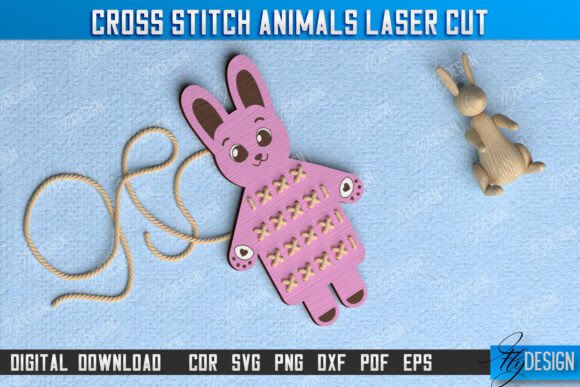
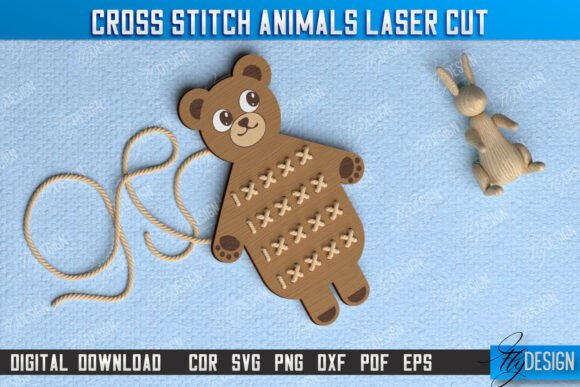
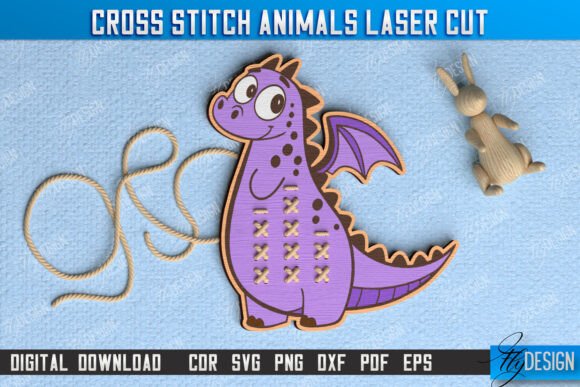
The visual appeal of the Cross Stitch Dragon Montessori Lacing design lies in its duality. At a glance, it reads as a cute, whimsical dragon, fitting perfectly into the current trend of fantasy-themed nursery decor. However, the "lacing" aspect introduces a layer of interactivity that sets it apart from standard machine embroidery design options. It feels both rustic and modern, leveraging the pixelated charm of cross-stitch while serving a practical purpose. For a craft fair table crowded with static items like pillows and wall hangings, this design offers something dynamic. It invites touch. Customers don't just look at it; they want to know how it works. This engagement is crucial for converting browser interest into sales.
Strategic Product Placement for Maximum Impact
When planning my booth display, I evaluate where a specific embroidery file will shine brightest. The Cross Stitch Dragon Montessori Lacing is versatile, but it requires thoughtful application to truly succeed as a craft fair product.
- Tote Bags and Market Bags: This is perhaps the strongest contender. A sturdy canvas tote featuring the dragon allows for the lacing element to be functional without compromising the bag's integrity. Using thick cotton or linen ensures the holes punched for lacing do not tear easily. It transforms a simple tote bag design into an activity center for kids on the go.
- Patches and Appliqués: Creating standalone embroidered patch versions of this dragon could be a hit. Parents can sew them onto jackets or backpacks, using the lacing feature to attach charms or ribbons. This makes the item highly customizable and appealing to the DIY crowd.
- Pillow Covers and Plush Toys: While visually stunning, applying a lacing mechanism to a soft pillow cover requires careful reinforcement. If executed well, it becomes a sensory toy rather than just decor. However, one must consider safety for very young children regarding small lacing parts.
- Aprons and Tea Towels: While apron embroidery and tea towel embroidery are staples of any handmade booth, this specific design might be less practical here unless marketed strictly as a decorative hanging piece. The heavy manipulation required for lacing could wear out thinner kitchen fabrics over time.
Production Realities and Technical Considerations
From a production standpoint, turning the Cross Stitch Dragon Montessori Lacing concept into a sellable finished product requires attention to detail. The description notes that this product is great for Laser Cutting machines, with specific red lines for cutting and black lines for engraving. This suggests the primary intent may be creating wooden lacing toys or rigid components rather than purely textile embroidery. As an embroiderer, if I am adapting this for fabric, I must simulate those cut lines carefully.
There are critical technical hurdles to clear before批量 production:
- Fabric Texture and Stability: The success of the lacing feature depends entirely on the fabric texture. Thick, tightly woven fabrics like canvas, denim, or felt are essential. Delicate fabrics will fray around the lacing holes, ruining the handmade quality of the item.
- Stitch Density and Reinforcement: Areas surrounding the lacing holes need high stitch density to prevent tearing. I would recommend using a cut-away stabilizer rather than tear-away to provide permanent structural support. Without this, the repeated pulling of laces by children will distort the design.
- Thread Colors: To maintain the cross-stitch aesthetic, selecting the right thread colors is vital. High contrast threads make the "pixel" effect pop, which photographs beautifully for Etsy seller listings and printable mockup creations. However, ensure the thread color contrasts sufficiently with the base fabric so the dragon doesn't get lost.
- Hoop Size Constraints: Before committing to a large batch, confirm the hoop size required. If the dragon is large, it may require re-hooping, which risks alignment issues. For a small shop product, efficiency is key, so a single-hoop design is preferable.
Marketing and Visual Appeal for the Modern Maker
In the competitive landscape of commercial embroidery and digital sales, storytelling sells. The Cross Stitch Dragon Montessori Lacing design allows me to market a narrative of "playful learning." It appeals to the eco-conscious parent who values wooden toys and natural fibers over plastic. When photographing this for online listings, the focus should be on the interaction. Show a child's hands threading a ribbon through the dragon. Show the texture of the stitches close-up. These images serve as powerful design assets that communicate value beyond the price tag.
Furthermore, because the original file mentions Other Toys Games and CNC compatibility, there is an opportunity for hybrid products. Imagine a wooden frame laser-cut to spec, with the embroidered dragon fabric stretched within it. This combines the precision of laser cutting with the warmth of embroidery, creating a premium, boutique item that stands out in a sea of mass-produced goods.
Final Verdict and Designer Notes
The Cross Stitch Dragon Montessori Lacing is a compelling addition to any creative entrepreneur's library, provided it is approached with a clear understanding of its mechanical requirements. It is not a "stitch and forget" design; it demands robust materials and precise execution. Before adding this to your inventory of digital embroidery file offerings or finished goods, I strongly advise testing the design on scrap fabric that matches your intended final product. Check the spacing of the lacing holes to ensure they are wide enough for little fingers but tight enough to hold shape.
Crucially, since the source file references laser cutting instructions (RED line - CUT, BLACK line - ENGRAVE), you must verify the licensing terms if you intend to use this strictly for embroidery. Ensure you have the rights to adapt the vector data for textile use if that is your goal. Always confirm commercial licensing details before selling. If used correctly, this design has the potential to be a star performer at your next market, offering a unique blend of education, art, and play that resonates deeply with today's conscious consumers.